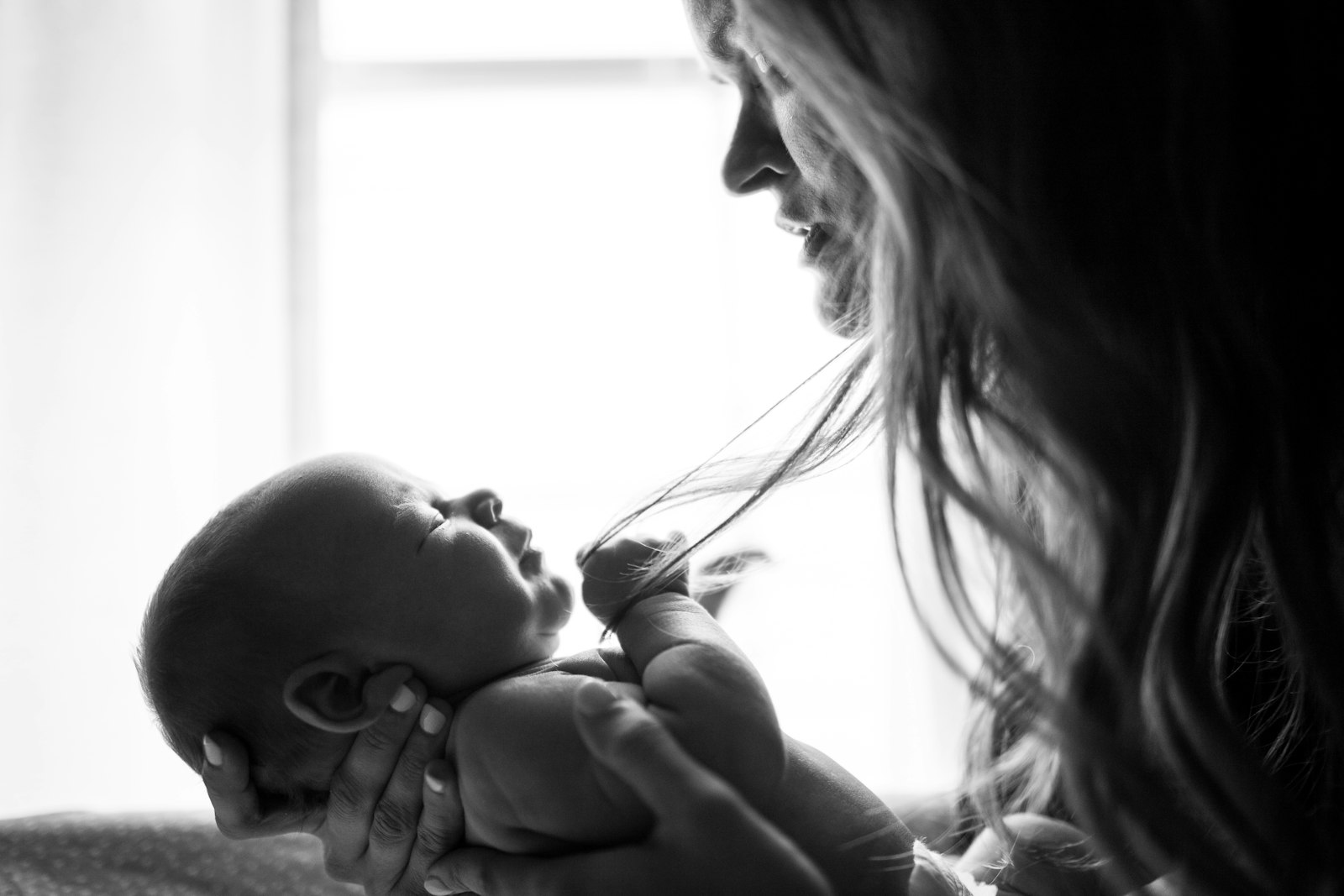
Sleep training isn't magic — it's method plus environment, done consistently. Here's exactly which tools actually earn their place in the nursery in 2026, and which ones are just noise.
Why Sleep Training Still Works in 2026 — When You Do It Right
Sleep training has been picked apart, rebranded, and reheated by every parenting influencer with a ring light, but the underlying research hasn't changed much: babies who are taught to fall asleep independently, on a consistent schedule, with a predictable wind-down routine, tend to sleep longer stretches and wake fewer times overnight. That's not opinion — it's the consistent finding across decades of pediatric sleep studies, and it's why pediatricians still recommend some version of it for most healthy infants past the newborn stage.
What's changed is the toolkit. Instead of just "cry it out" versus "no cry it out," families now have sound machines tuned to womb-like frequencies, wearable sleep sacks with built-in swaddle transitions, red-light-only nightlights that don't suppress melatonin, and video monitors smart enough to flag actual wake events instead of every twitch. The method still matters most, but the right gear removes friction and makes any method easier to stick with — and consistency, not cleverness, is what actually gets a baby sleeping through the night.
What to Look For Before You Buy Anything
Sleep training gear falls into a few honest categories: things that create a consistent sensory environment (sound, light, temperature), things that keep baby safely contained and comfortable (sleep sacks, swaddles), and things that let you monitor progress without hovering (monitors, trackers). Skip anything that promises to "train" your baby passively — no product replaces a consistent bedtime routine and a method you're actually willing to follow through on.
- Sound consistency: a machine with a true continuous loop, not one that clicks or restarts audibly
- Light control: dim, warm, red-spectrum only — blue and white light at night delays melatonin release
- Safe sleep compliance: sleep sacks and swaddles that meet current safe-sleep guidance, no loose blankets
- Room temperature stability: gear or thermometers that keep the nursery in the recommended comfortable range
- Non-invasive monitoring: video or movement monitors that reduce your own anxiety without over-stimulating baby
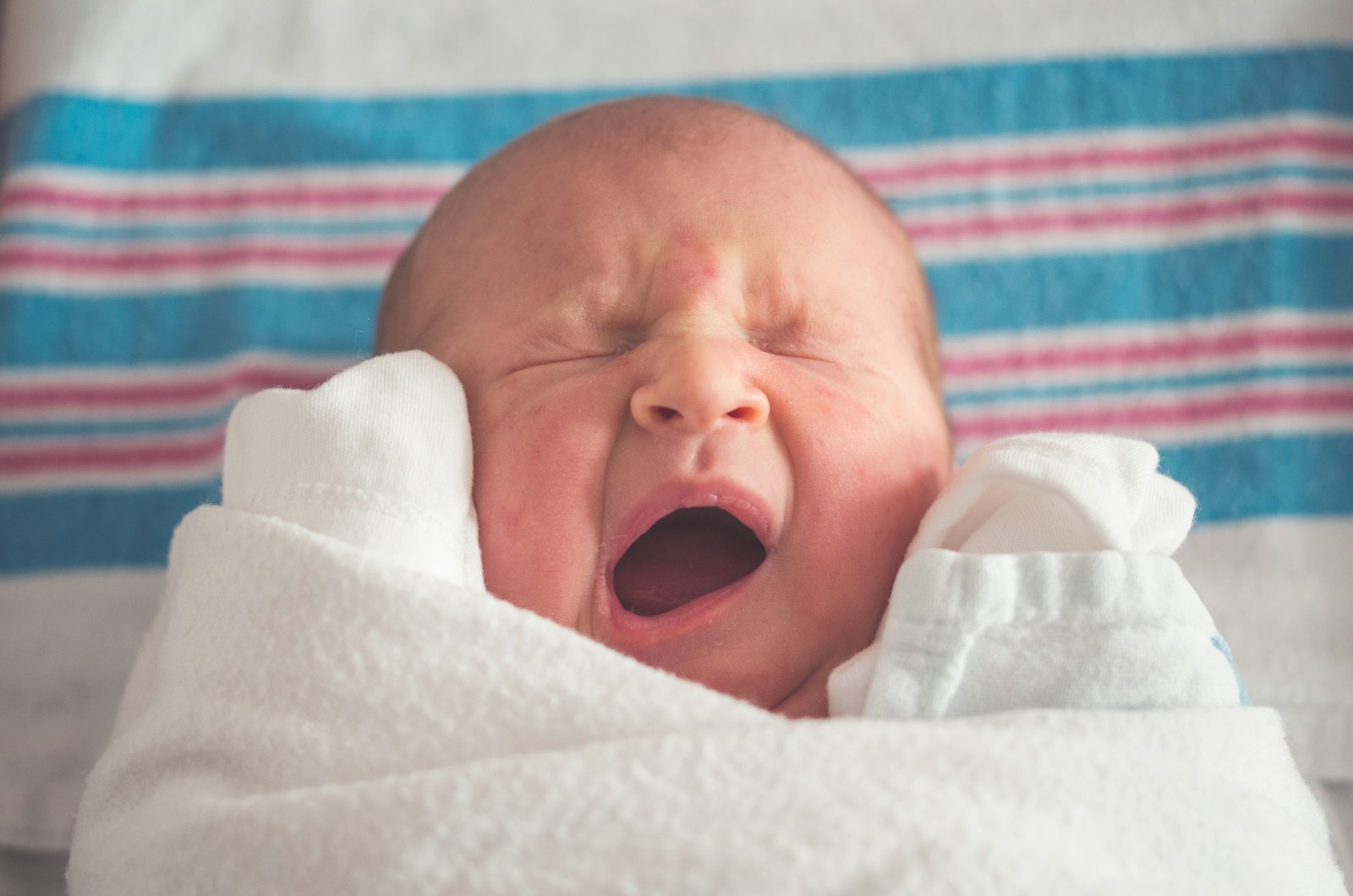
The Best Baby Sleep Training Tools, Ranked
We ranked these by how directly they support the mechanics of sleep training — consistency, safety, and reducing false wake-ups — rather than gimmick features.
Continuous White Noise & Sound Machines
Look for a machine with true non-looping (or very long-loop) white, pink, or brown noise and a timer that can run all night without auto-shutoff — consistency is the entire point.
Shop Sound Machines →Wearable Sleep Sacks & Swaddle Transitions
A well-fitted, TOG-rated sleep sack replaces loose blankets and gives babies a consistent physical cue that it's sleep time — a small but powerful piece of routine-building.
Shop Sleep Sacks →
Red-Light Nightlights and Dimmable Nursery Lighting
Melatonin production is sensitive to light wavelength, and standard nightlights — especially white or blue-toned LEDs — can work against the very drowsiness you're trying to build. A dim, amber or red-spectrum light is enough for safe nighttime diaper changes and check-ins without signaling "daytime" to a developing circadian rhythm. This is one of the cheapest upgrades with an outsized effect on how quickly a baby resettles after a middle-of-the-night wake.
Red & Amber Nightlights for Nighttime Wake-Ups
Choose a plug-in or dimmable nightlight in the red or amber spectrum specifically — it lets you see without triggering an alertness response in your baby's developing sleep-wake cycle.
Shop Nursery Lighting →Video and Movement Monitors — Reduce the Parent's Wake-Ups, Not the Baby's
A surprising amount of "failed" sleep training isn't the baby's fault — it's a parent rushing in at the first stir, before the baby has a chance to self-settle. A good video monitor with two-way audio and night vision lets you actually watch and wait, distinguishing between a genuine hungry cry and normal sleep-cycle fussing. Movement-tracking monitors add a layer of reassurance for anxious first months, though they should never replace safe-sleep basics like a firm, flat mattress and an empty crib.
| Sleep Training Method | Typical Age to Start | Best Paired Gear |
|---|---|---|
| Check-and-console (graduated extinction) | 4–6 months+ | Video monitor, consistent white noise |
| Fading / camping out | 4–8 months | Dimmable red nightlight, sound machine |
| Chair method | 6 months+ | Sound machine, comfortable nursery seating |
| Bedtime routine + sleep sack cue | Any age, newborn-safe version available | TOG-rated sleep sack, red nightlight |
Matching Gear to Your Actual Situation
A baby who wakes to noise (siblings, city street, a barking dog) benefits most from a strong, continuous sound machine before anything else — no method works if external noise is re-triggering wake-ups every 20 minutes. A baby who's already sleeping in long stretches but resisting the final settle-down often responds better to lighting changes and a firmer bedtime routine than to a new monitor. And if your main issue is your own anxiety rather than the baby's actual sleep, a reliable video monitor is genuinely the highest-leverage purchase you can make, because it lets you sleep-train with confidence instead of guesswork.
A Realistic Timeline
Most healthy babies who are developmentally ready (generally 4 months and older, per common pediatric guidance) show measurable improvement within one to two weeks of consistent sleep training, provided the environment — sound, light, temperature, routine — stays the same night after night. Gear doesn't shortcut this process, but inconsistent gear (a sound machine that shuts off at 2am, a nightlight that's too bright, a sleep sack that's the wrong TOG for the season) absolutely can sabotage it. Get the environment right once, then commit to the method for at least a week before judging results.
The Bottom Line
Sleep training in 2026 isn't about a single miracle product — it's about removing every small inconsistency that gives a baby a reason to wake up and stay up. A dependable sound machine, a red-spectrum nightlight, a properly rated sleep sack, and a monitor that lets you resist the urge to intervene too early: together, these form a genuinely evidence-backed foundation. Pick your method, set up the environment to support it, and give it the full week or two it needs to work.