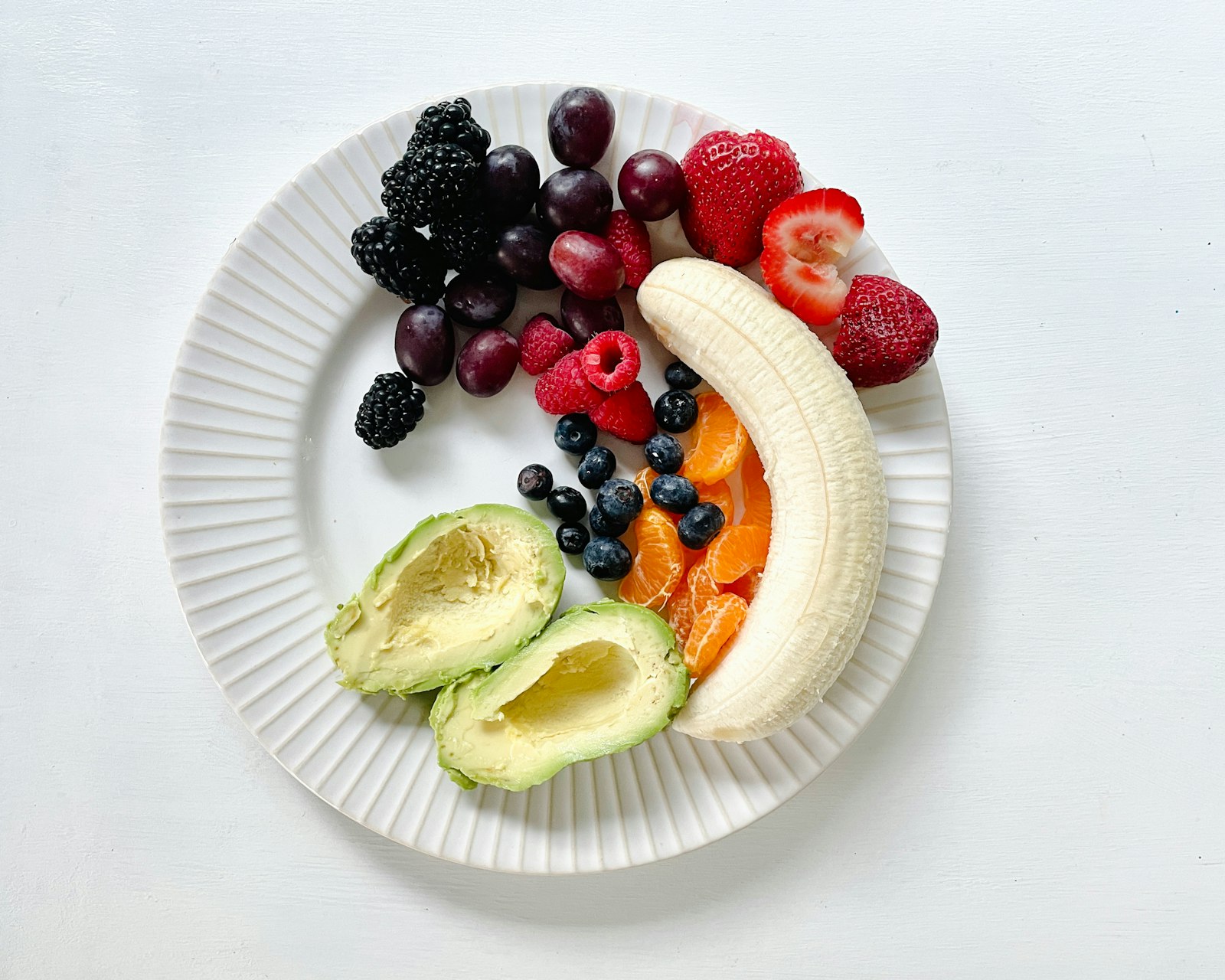
Starting solids doesn't have to mean guesswork. Here's a science-backed ranking of the first foods that deliver the most nutrition, the smartest allergen introduction, and the safest textures — plus the tools that make daily prep painless.
Why the First Bite Matters More Than You Think
Starting solids is a milestone that gets a lot of hype and, frankly, a lot of conflicting advice. Pediatric feeding guidance has shifted meaningfully in the last decade: the old rice-cereal-first playbook has given way to a nutrient-density-first approach. The core idea is simple — a baby's iron and zinc stores from birth begin to decline around six months, right when solids typically start, so the earliest foods should work hard nutritionally, not just introduce texture.
This guide ranks first foods by what actually matters: iron and zinc content, allergen exposure value, choking-risk profile, and how easy they are to prepare consistently. We'll also flag where a well-chosen product can save you real time without compromising on quality.
- Iron and zinc density (babies' stores dip around 6 months)
- Early allergen introduction potential (peanut, egg, dairy)
- Texture safety appropriate for developmental stage
- Ease of prep for busy households
The Ranked List: Top First Foods for 2026
This order reflects current pediatric nutrition consensus, prioritizing iron-rich options and early allergen exposure alongside practicality for real-life kitchens.
- 1. Iron-fortified infant cereal (oat or multigrain) mixed with breastmilk/formula
- 2. Pureed or mashed meats (beef, chicken, turkey) for heme iron and zinc
- 3. Peanut butter thinned with water or breastmilk (early allergen introduction)
- 4. Well-cooked egg, mashed or scrambled
- 5. Mashed avocado for healthy fats and easy texture
- 6. Pureed lentils and beans for plant-based iron and fiber
- 7. Soft-cooked vegetables (sweet potato, carrot, squash)
- 8. Full-fat plain yogurt for calcium and probiotics

Why Iron-Rich Foods Lead the List
Iron deficiency in infancy is linked to developmental concerns, which is why major pediatric bodies emphasize iron-dense first foods over low-nutrient purees like plain rice cereal. Pureed meats and fortified cereals deliver the most usable iron per spoonful, making them a smarter anchor for the first few weeks of solids than fruit or vegetable purees alone.
| First Food | Key Nutrient | Best Texture Stage | Allergen Consideration |
|---|---|---|---|
| Iron-fortified oat cereal | Iron, B vitamins | Thin puree, 6mo+ | Low risk |
| Pureed beef/chicken | Heme iron, zinc | Smooth puree, 6mo+ | Low risk |
| Peanut butter (thinned) | Protein, healthy fats | Thinned into puree | High-value allergen intro |
| Mashed egg | Choline, protein | Soft mash, 6mo+ | High-value allergen intro |
| Avocado | Healthy fats, potassium | Mashed or strips | Low risk |
| Lentils/beans | Plant iron, fiber | Well-mashed | Low risk |
| Plain whole-milk yogurt | Calcium, probiotics | As-is, 6mo+ | Dairy allergen intro |
Allergen Introduction: Don't Delay It
One of the biggest shifts in feeding guidance is around allergens. Research popularized by studies like LEAP (Learning Early About Peanut Allergy) found that introducing peanut products early and consistently — rather than avoiding them — significantly reduces the risk of developing a peanut allergy in high-risk infants. Similar logic now applies to egg.
In practice, this means peanut butter (thinned to avoid choking risk) and well-cooked egg deserve a spot in the first two weeks of solids, not month six or seven. If there's a family history of food allergies or eczema, talk to your pediatrician about timing and monitoring the first exposure.
Stock Up on Iron-Fortified Infant Cereal
Look for oat-based, single-grain fortified cereals with no added sugar — an easy first-week staple that delivers real iron density.
Shop Infant Cereals →Texture Safety: Purees vs. Baby-Led Weaning
Whether you're following purees, baby-led weaning (BLW), or a mix of both, texture safety is the non-negotiable. Foods should be soft enough to mash between two fingers, cut into manageable strips for self-feeding, or thinned to a smooth, drip-off-the-spoon consistency for early spoon-feeding.
Round, hard, or sticky foods — whole grapes, nuts, popcorn, chunks of hard raw vegetable — remain top choking hazards regardless of method. The safest approach is choosing foods from the ranked list above and modifying their shape and firmness to match your baby's chewing ability, not the calendar.
- Purees: thin, smooth, no lumps until baby tolerates them
- BLW: soft strips roughly finger-length, easy to gum against the gums
- Always supervise every meal, seated upright
Silicone Baby Food Prep Set
Freezer trays and reusable pouches make batch-prepping iron-rich purees and mashed meats simple for busy weeks.
Check Availability →Batch Prep: The Time-Saving Backbone
Most parents don't fail at first foods because they picked the wrong ingredient — they burn out because prep feels endless. A Sunday batch-cook of iron-fortified cereal, pureed meat, and mashed avocado, frozen in single-serving portions, can cover most of a week's meals.
Invest in a compact blender or food processor that can handle small batches without excessive cleanup, plus a set of labeled freezer trays. This turns a stressful daily task into a five-minute reheat-and-serve routine.
Compact Baby Food Blender
A small-batch blender with steam function simplifies cooking and pureeing meats and vegetables in one step, cutting first-food prep time significantly.
View on Amazon →What to Avoid in the First Months
A few first-food mistakes are common and easy to avoid once you know them. Honey should never be given before 12 months due to botulism risk. Cow's milk as a main drink (not yogurt or cheese) should wait until after 12 months. Added salt and sugar have no place in early purees — babies don't need seasoning, and their kidneys can't process excess sodium well.
Choking hazards deserve a repeat mention: whole nuts, whole grapes, hard raw fruit chunks, and popcorn should be avoided or heavily modified until well past the first-foods stage, often into the toddler years.
- No honey before 12 months
- No cow's milk as a main drink before 12 months
- No added salt or sugar
- Avoid whole nuts, whole grapes, popcorn
Final Word: Build a Rotation, Not a Routine
The best first-foods strategy isn't a single perfect ingredient — it's a rotation that hits iron, healthy fats, and early allergen exposure within the first month of starting solids. Anchor meals around fortified cereal or pureed meat, layer in peanut butter and egg early and often, and round things out with avocado, legumes, and soft vegetables.
Prioritize nutrient density over novelty in these early weeks. The goal isn't a diverse Instagram-worthy plate on day one — it's consistent exposure to the foods that actually support your baby's growth and immune development heading into 2026 and beyond.