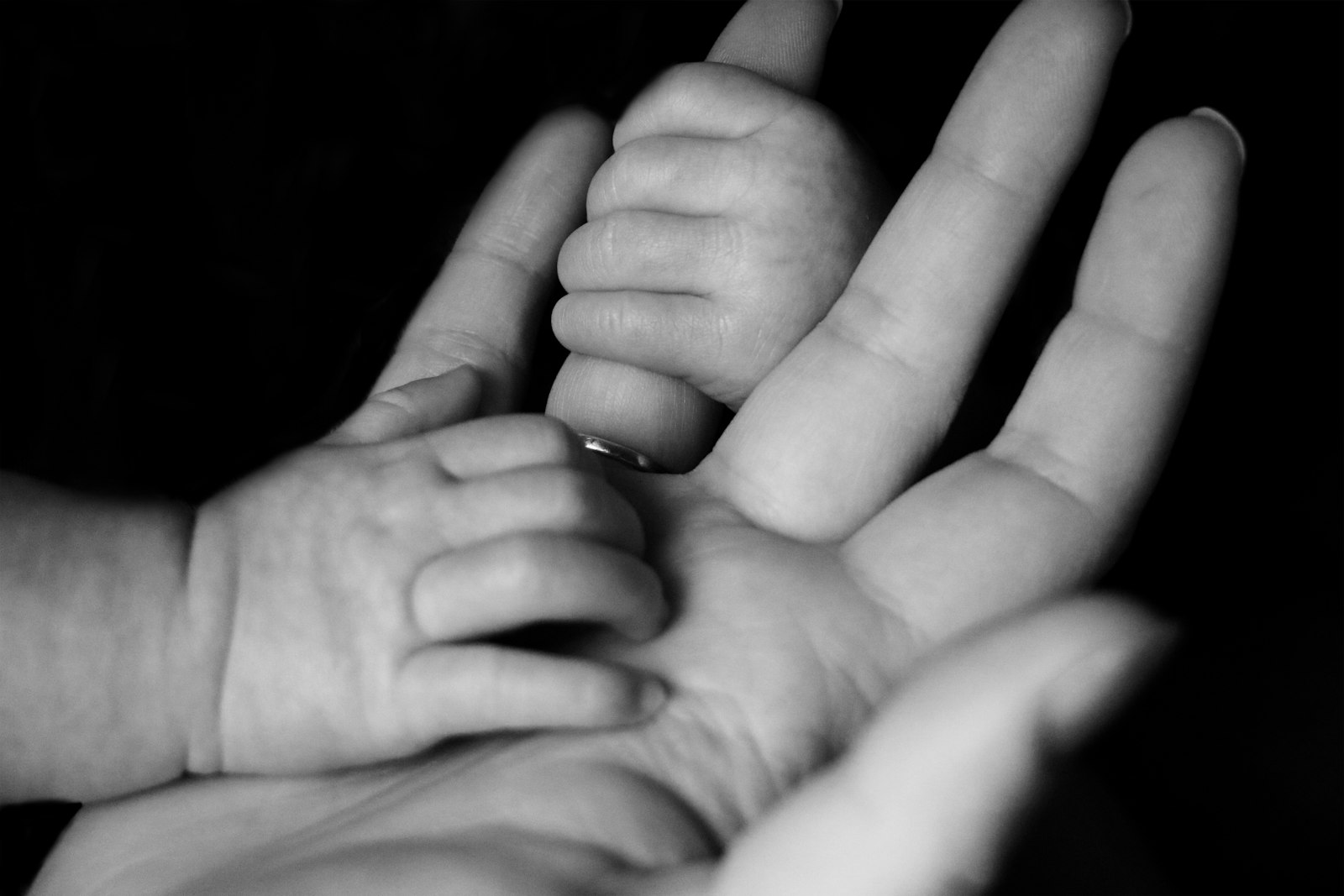
With shelves full of board books, cloth books, and bath books all claiming to be essential, picking the right ones for your baby's age and stage can feel surprisingly overwhelming — here's how to choose with confidence in 2026.
Why the Right Baby Books Actually Matter
It's tempting to treat baby books as a cute afterthought — a shower gift, a stack on a shelf. But the research on early literacy is clear: shared reading builds vocabulary, attention span, and the parent-child bond long before a child can speak in full sentences. The books you choose in the first three years shape what your child associates with reading itself — comfort, curiosity, or frustration.
That makes book selection a quietly important decision. Not every book marketed for babies is actually built for baby hands, baby attention spans, or baby development stages. Choosing well means understanding what changes at each age, what materials hold up, and where it's worth spending more.
What Actually Matters When Choosing Baby Books
Before comparing brands or price points, it helps to know which features genuinely affect how much use — and value — a book will deliver.
- Durability of materials: board, cloth, or vinyl pages survive chewing, drooling, and tossing far better than standard paper
- Page count and simplicity: fewer words and high-contrast or bold images hold attention better for infants under 12 months
- Rhythm and repetition: rhyming text and repeated phrases support language pattern recognition in toddlers
- Interactive elements: textures, flaps, and sounds extend engagement from 9 months through age 2, though too many small parts can be a choking hazard for younger infants
- Washability: especially for bath books and anything that will end up on the floor or in the diaper bag
- Emotional and cultural representation: diverse characters and relatable everyday scenes help toddlers build empathy and self-recognition

Matching Books to Developmental Stages
A newborn's eyes respond best to high-contrast black, white, and red imagery — not pastel illustrations, however beautiful. By 6-12 months, babies start reaching, mouthing, and turning pages themselves, which is exactly why board and cloth formats dominate this age range. Toddlers 18 months and up benefit from simple narratives, naming games, and books that invite them to point and repeat words aloud.
Shop Durable Board Books for Infants
High-contrast, chew-safe board books are the easiest starting point for any new parent building a first library.
Browse Board Books →Budget vs. Premium: What You're Actually Paying For
Baby books range from a couple of dollars at discount retailers to $20+ for cloth or specialty sets. The price difference usually comes down to three things: material quality, printing/ink safety standards, and illustration craftsmanship. Budget books can absolutely work — especially for a toddler who treats books as chew toys — but premium options tend to last through multiple children and hold up better to repeated washing or bending.
- Budget board books: often thinner pages, simpler art, but perfectly functional for early contrast and repetition exposure
- Mid-range sets: sturdier binding, better color accuracy, often sold in themed multi-packs for better per-book value
- Premium cloth or specialty books: soft-safe for newborns, machine washable, often made with non-toxic dyes and reinforced stitching for years of handling
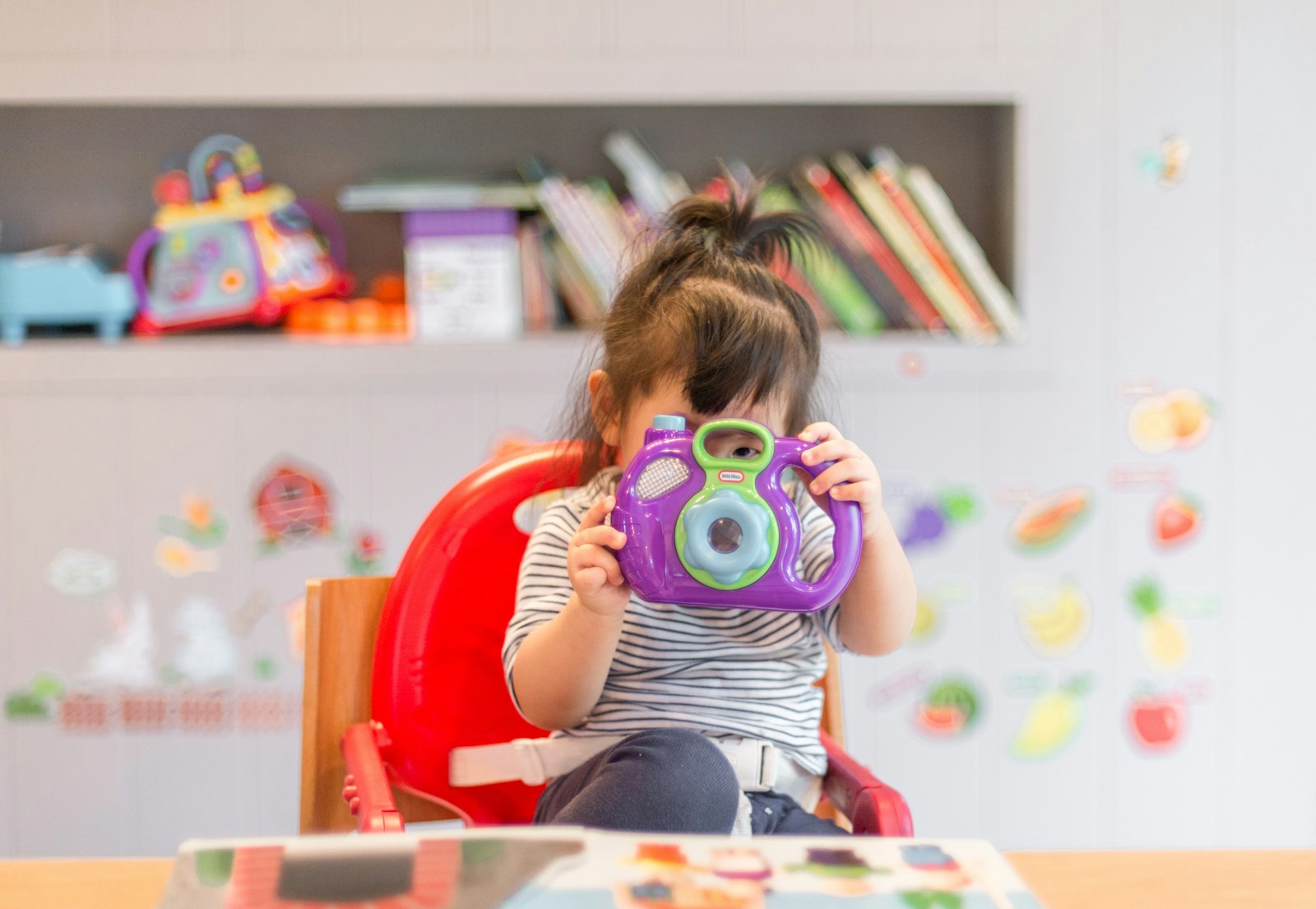
| Type | Best Age | Typical Price Range | Durability |
|---|---|---|---|
| Cloth books | 0-9 months | $8-$18 | High — washable, tear-resistant |
| Board books | 6 months-3 years | $4-$12 | High — chew and bend resistant |
| Bath books | 6 months-2 years | $6-$15 | Moderate — vinyl can crack over time |
| Paperback picture books | 2+ years | $3-$10 | Low — pages tear easily |
| Interactive/flap books | 1-3 years | $10-$20 | Moderate — flaps can detach with heavy use |
Building a Starter Library Without Overspending
You don't need fifty books to raise a reader — you need a rotating, well-chosen handful that match your child's current stage. A reasonable starter library for the first year might include two to three high-contrast board books, one soft cloth book, and one simple bath book. As your toddler grows, you can add rhyming board books and a few sturdier picture books with more narrative.
Many parents overbuy paperback picture books too early, only to watch them get destroyed within weeks. Save paperback and hardcover picture books for closer to age 2-3, once a toddler understands that pages are meant to be turned gently, not pulled.
Build a First-Year Book Bundle
Multi-pack sets are often the most cost-effective way to assemble a well-rounded starter library in one order.
Shop Baby Book Sets →Safety Checks Before You Buy
Not every charming-looking book is appropriate for the age it's marketed to. A few checks take less than a minute and can prevent a returned purchase or, worse, a choking hazard.
- Confirm there are no small detachable parts (pom-poms, buttons, bells) for children under 3
- Look for non-toxic, water-based ink and dye certifications, especially on anything likely to be mouthed
- Check stitching and binding on cloth books — loose threads can become a hazard
- Verify bath books are vinyl-sealed, not just laminated paper, to prevent mold growth inside pages
Where to Shop Smart
Large online retailers tend to offer the widest selection and most transparent reviews for comparing durability across brands, which is especially useful when you can't physically handle a book before buying. Specialty baby retailers sometimes carry curated, developmentally-staged sets that take the guesswork out of matching books to age.
Find Washable Cloth and Bath Books
For babies who mouth everything, washable cloth and vinyl bath books are a practical, long-lasting category to prioritize early.
Shop Cloth & Bath Books →The Bottom Line
Choosing baby books well isn't about spending the most — it's about matching material, complexity, and durability to your child's actual stage of development. A thoughtfully built small library, refreshed as your baby grows, will do more for early literacy than a shelf of beautiful books that are too advanced, too fragile, or simply ignored. Start simple, prioritize safety and durability, and let your child's interest guide what comes next.