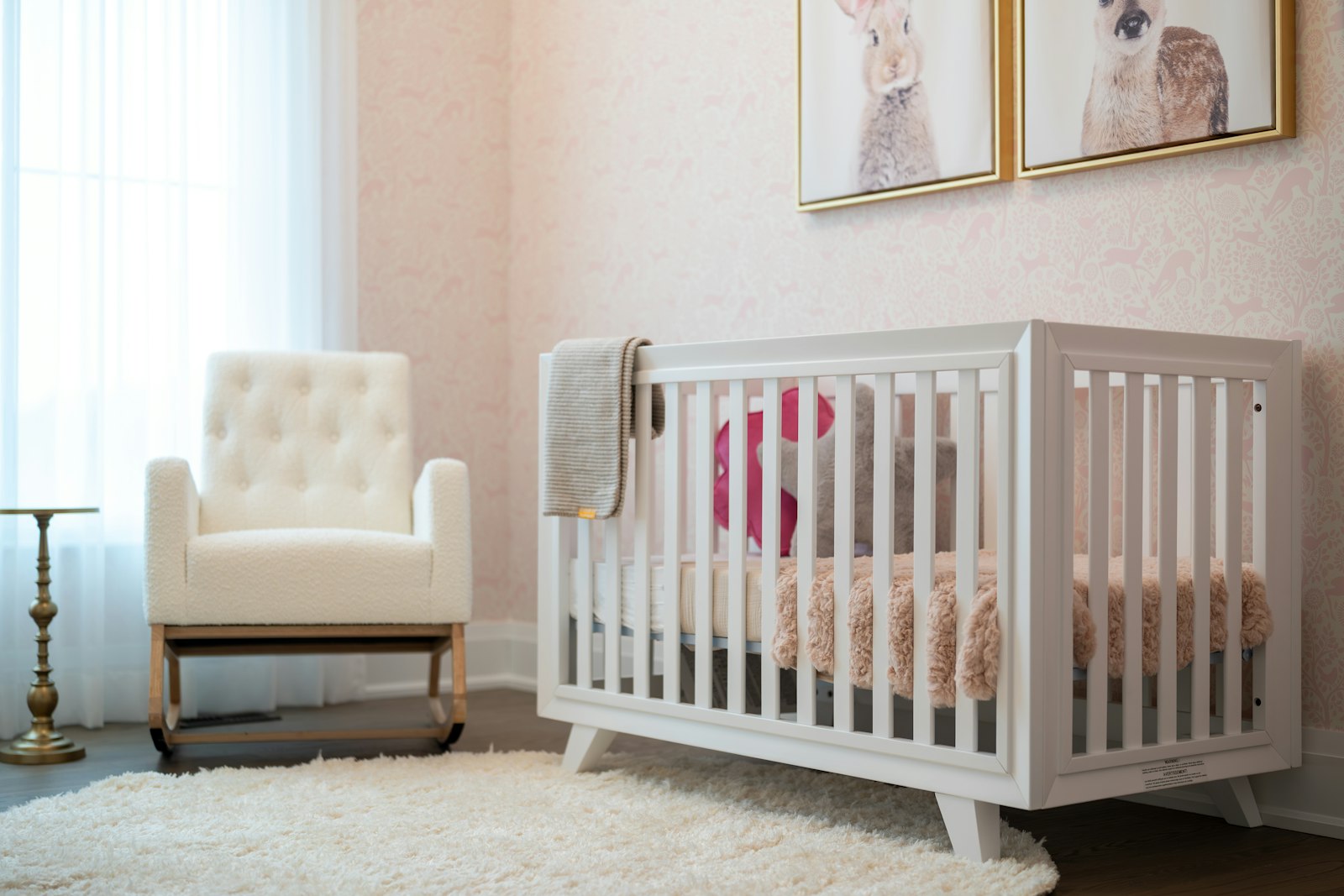
Before you fall for a fabric swatch or a showroom photo, here's what separates a nursery glider you'll love at month eighteen from one that squeaks, sags, and gets banished to the garage.
Why the Glider Matters More Than Almost Any Other Nursery Purchase
You will spend more waking hours in this chair than in almost any other piece of furniture you own for the next two to three years. Late-night feedings, early morning soothing, rocking a sick toddler back to sleep — the nursery glider is a workhorse, not a decoration. That's why choosing one based on fabric color alone is a mistake many first-time parents make and regret by month three.
The right glider supports your back, shoulders, and arms through thousands of repetitive motions. The wrong one leaves you with neck strain, a squeaky mechanism that wakes the baby, or armrests too high or low to comfortably support a feeding position. This guide breaks down exactly what to evaluate before you buy, how budget and premium options actually differ, and where it's worth spending more.
The Core Mechanism: Glide vs. Swivel vs. Recline
Not all 'gliders' move the same way, and the mechanism type affects both comfort and price significantly.
Standard gliders move in a smooth forward-back arc on a fixed track, usually via a pendulum or spring-loaded system underneath the seat. Swivel gliders add a rotating base so you can turn to reach a changing table or diaper caddy without standing up — genuinely useful during 3 a.m. diaper changes. Reclining gliders add a backward tilt, which helps during long feeding sessions but adds mechanical complexity and typically costs more.
- Fixed glide-only: quietest, simplest, least expensive, best for small spaces
- Swivel glide: more functional for multitasking, moderate price increase
- Swivel + recline: most versatile but bulkier and pricier
- Manual vs. power recline: power mechanisms add convenience but more things that can break

Fabric and Cushioning: What Actually Holds Up
Nursery gliders get spit up on, leaked on, and generally abused. Performance fabric (stain-resistant, easy-wipe polyester or microfiber blends) outperforms natural linen or cotton for longevity, even though linen often looks nicer in photos. If you have the budget, look for fabric rated for high-traffic or 'performance' use — the same category used in family room sofas.
Foam density matters more than foam thickness. High-density foam (look for specs around 1.8-2.5 lb/cubic ft where listed) resists the body impressions and sagging that cheaper gliders develop within the first year. A thick cushion made of low-density foam will flatten faster than a thinner cushion made of quality foam.
Compare Top-Rated Nursery Gliders
Browse current bestsellers with verified buyer photos and reviews mentioning long-term durability, armrest height, and noise level — read the 1-star reviews too, they're the most useful.
Shop Nursery Gliders →Armrest Height and Seat Depth: The Measurements Everyone Skips
Most buyers focus on style and skip the measurements that actually determine day-to-day comfort. Armrest height should let your forearms rest naturally while holding a baby in feeding position, roughly 7-9 inches above the seat cushion for most adults. Too high and your shoulders hike up during every feed; too low and you're hunching forward.
Seat depth matters for shorter adults especially. A seat deeper than about 21-22 inches can leave your lower back unsupported unless you add a lumbar pillow. If possible, sit in the glider (or a close equivalent at a showroom) before buying, holding a rolled blanket the size of a newborn to simulate real use.

Budget vs. Premium: Where the Money Actually Goes
The price gap between a budget glider and a premium one is real, but it doesn't always track with comfort differences — it often tracks with materials, mechanism quality, and brand overhead. Here's a realistic breakdown of what changes at each price tier.
| Price Tier | Typical Range | What You Get | What You Might Sacrifice |
|---|---|---|---|
| Budget | $150–$300 | Basic glide mechanism, polyester fabric, assembly required | Shorter foam lifespan, audible squeaking over time, limited size range |
| Mid-range | $300–$600 | Better foam density, swivel option, more fabric choices, quieter mechanism | Still mostly assembly-required, fewer premium fabric upgrades |
| Premium | $600–$1,200+ | High-density foam, performance or leather-look fabric, smoother recline, often pre-assembled or white-glove delivery | Significant price jump for marginal comfort gains beyond mid-range |
When Premium Is Worth It (And When It Isn't)
If you plan to use the glider daily for 2+ years, through multiple children, or you have back or shoulder issues that make ergonomics non-negotiable, the jump to premium foam and a smoother mechanism is a reasonable investment — this is furniture you'll touch every single day. The durability difference in foam quality alone often justifies the cost over a 3-5 year span.
If budget is tight, a well-reviewed mid-range glider with good armrest height and solid foam will serve you just as well functionally as a premium model — you're mainly paying extra for fabric upscale and finishing details at the top tier, not a fundamentally different sitting experience.
Find Performance Fabric Nursery Chairs
Search specifically for stain-resistant, high-density foam gliders in the mid-to-premium range — filter by verified purchase reviews mentioning long-term use.
Browse Performance Gliders →Noise, Assembly, and the Details Nobody Mentions in Marketing Photos
A squeaky glider is a real problem when you're trying to rock a sleeping baby without waking them. Check reviews specifically for noise complaints after 6-12 months of use, since squeaks often develop over time rather than appearing out of the box. Metal-on-metal glider mechanisms tend to be noisier long-term than those using nylon or composite glide tracks.
Assembly complexity varies widely. Some gliders arrive fully built; others require attaching the base, arms, and back panel with household tools. If you're ordering before delivery, factor in a few hours of setup time and ideally a second person to help maneuver the frame.
- Ask or search reviews: does the mechanism stay quiet after a year of daily use?
- Confirm weight capacity if two adults might ever sit together or a older sibling climbs on
- Check floor clearance needed for full recline and glide range in your actual nursery layout
- Removable, washable cushion covers are a major practical upgrade for parents
A Simple Decision Framework
Start with your space and budget ceiling, then work through mechanism, fabric, and foam in that order. A swivel glider with mid-range performance fabric and dense foam will outperform a premium-branded fixed glider with mediocre foam for most parents' actual daily needs.
Don't buy based on nursery photos alone — measure your space, check armrest height against your own body, and read reviews from parents who've owned the chair for at least six months, since early reviews rarely capture how foam and mechanisms hold up over time.
Complete the Nursery Setup
Pair your glider search with matching ottomans, washable slipcovers, and nursery-safe fabric protectors to extend the life of your investment.
Shop Nursery Accessories →