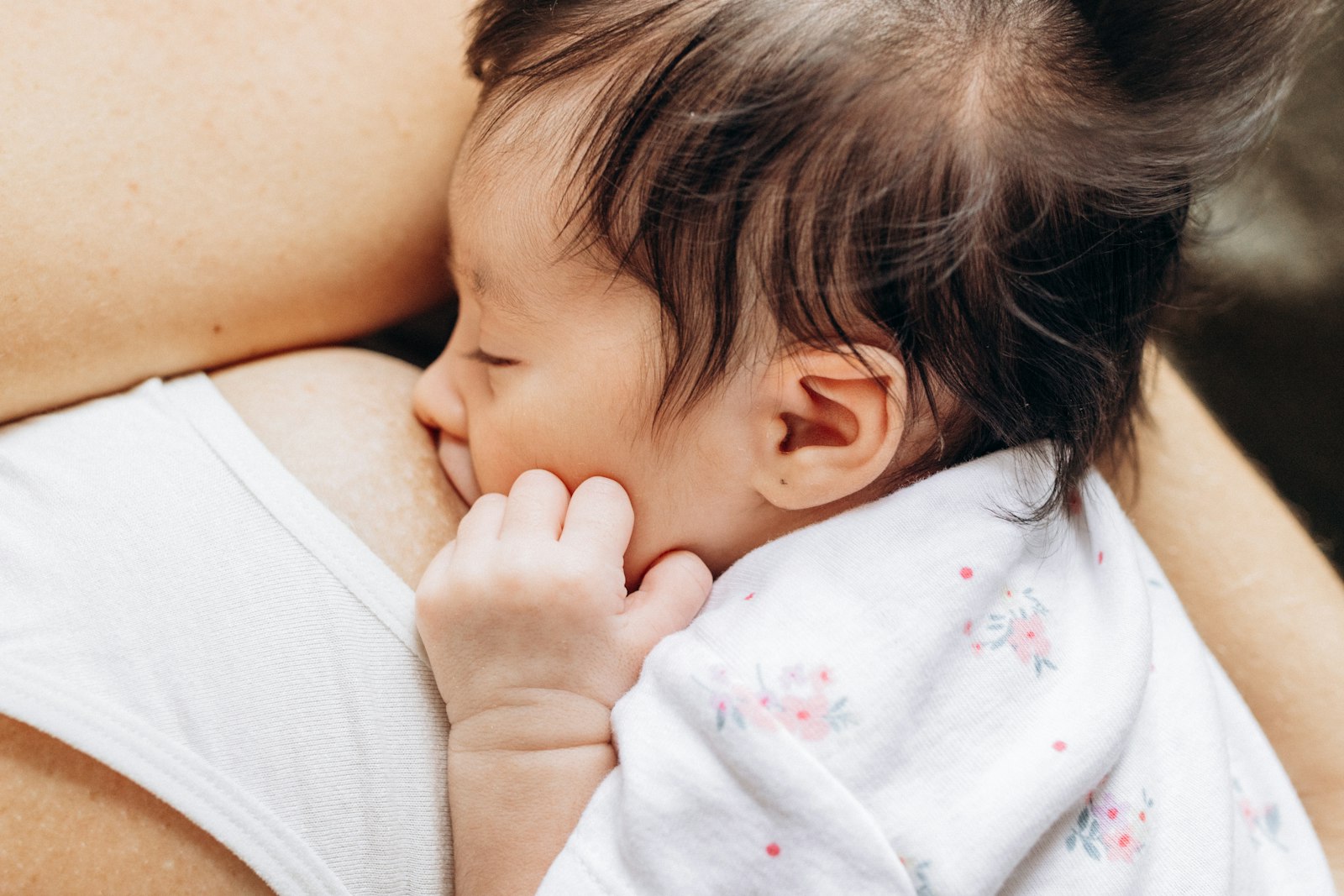
Every pediatrician has an opinion, every parenting forum has a favorite brand, and every box promises "better sleep" — but few explain what white noise actually does inside a nursery. Here's the evidence-based breakdown of how these machines work, when your baby genuinely needs one, and the safety details most product pages leave out.
How White Noise Actually Helps Babies Sleep
Newborns spend months adjusting to a world that is suddenly silent compared to the womb, where the whoosh of blood flow and muscle movement created a steady 70-plus decibel backdrop. White noise machines work by replicating that constant, unchanging sound so the nursery doesn't feel like an abrupt sensory void. The science isn't about lulling a baby unconscious; it's about masking.
A consistent, broadband sound covers up the unpredictable spikes that actually wake babies — a door closing, a sibling's footsteps, a car alarm outside. The brain is far more disturbed by sudden changes in sound than by steady volume, even steady volume that's fairly loud. That's why a continuous shushing or fan-like tone can help a baby (and the rest of the household) stay asleep through normal home noise.
Signs Your Baby Might Benefit From One
If none of these apply and your baby sleeps soundly in a quiet room, a machine isn't mandatory — plenty of babies sleep fine without one. White noise is a tool for a specific problem, not a requirement for healthy sleep.
- Frequent startle-awake episodes during light sleep transitions (common around 3-6 months)
- A household with older siblings, pets, or street noise that creates unpredictable sounds
- Travel or hotel stays where unfamiliar ambient noise disrupts naps
- Daytime naps interrupted by normal house activity like dishwashers or doorbells
- A baby who falls asleep easily at the breast or bottle but startles once set down

Volume and Distance: The Detail Most Parents Get Wrong
The single biggest safety issue with white noise machines isn't the technology — it's placement and volume. Pediatric hearing researchers have repeatedly flagged that many machines, when placed too close to a crib or run at max volume, can produce sound levels exceeding what's recommended for infant hearing over a sustained period.
The practical fix is simple: place the machine at least seven feet from the crib (across the room, not clipped to the rail), keep the volume at a low-to-moderate setting — roughly as loud as a running shower heard from another room — and use a timer or auto-shutoff rather than running it at full blast all night long.
| Feature | Why It Matters |
|---|---|
| Sound type variety | Broadband (true white/pink noise) masks sudden sounds better than looping melodies or nature tracks |
| Volume floor | A machine that can go genuinely quiet protects developing hearing better than one that starts loud |
| Timer / auto-off | Lets sound run only through sleep onset or all night, depending on the setting |
| Power source | Battery options matter for travel; plug-in units avoid mid-night battery death |
| Portability | A compact unit makes hotel stays and grandma's house easier on sleep routines |
| Extra lighting | A built-in night light is convenient but shouldn't be bright enough to disrupt melatonin production |
True White Noise vs. Nature Sounds vs. Lullabies
Parents often assume any soothing sound works the same way, but there's a meaningful difference. True white noise (or its gentler cousin, pink noise) contains a full, even spread of frequencies, which is what makes it so effective at masking sudden noise spikes.
Nature sounds like rain or ocean waves are quieter in certain frequency ranges, so they mask less effectively. Lullabies and melodies are the least effective for masking because they have rhythm and variation — the very qualities that can actually catch a baby's attention and interrupt sleep rather than protect it. If the goal is masking household noise, broadband white or pink noise is generally the stronger choice.
Compare Top-Rated White Noise Machines
Browse dedicated infant sound machines with adjustable volume floors, timers, and portable designs built for nurseries and travel.
Shop White Noise Machines →When to Wean Off White Noise
There's no strict deadline, but many sleep consultants suggest reassessing use somewhere between 2 and 4 years old, once a child can understand simple reassurance and isn't as dependent on environmental masking to settle. Weaning isn't urgent for hearing or developmental reasons — continuous low-volume sound hasn't been shown to cause harm when used at safe levels — it's more about not building an inflexible dependency for sleep.
A gradual approach works best: lower the volume incrementally over a couple of weeks, or shorten how long it runs each night, rather than removing it abruptly.
Pack a Portable Sound Machine for Trips
A compact, battery-powered unit keeps naps and bedtime consistent in hotels, at grandparents' houses, or on flights.
Browse Portable Options →Common Mistakes Parents Make
Most of these are easy fixes once you know to look for them, and they make the difference between a tool that genuinely helps and one that creates new problems.
- Running the machine all night at full volume instead of a moderate, masking-level setting
- Clipping the speaker directly to the crib rail instead of placing it across the room
- Choosing a looping nature-sound track instead of true broadband white or pink noise
- Forgetting to test the machine's actual decibel output with a free phone app
- Relying on white noise as the sole sleep strategy instead of pairing it with a consistent routine
Build Out a Calm, Consistent Nursery Routine
Pair a sound machine with blackout curtains and a simple sleep routine for a setup that supports consistent naps and nights.
Explore Nursery Sleep Setup →